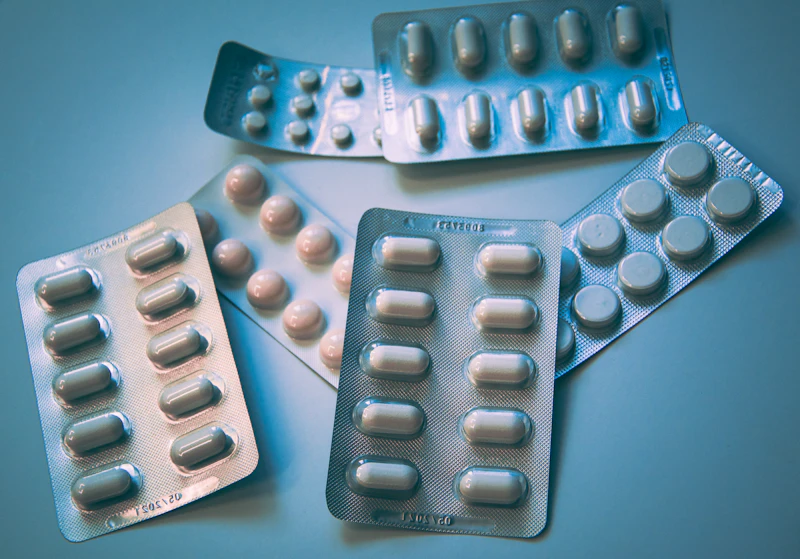

Many individuals diagnosed with hypothyroidism find that starting synthetic thyroid hormone (Levothyroxine) normalizes their TSH on paper, yet they still struggle with stubborn weight gain, hair shedding, cold sensitivity, and lethargy.
The T4 to T3 Conversion Problem
The thyroid gland predominantly produces T4, which is an inactive prohormone. For cells to burn energy, T4 must be converted into active Free T3, a process that primarily takes place in the liver and gut microbiome. Chronic inflammation, elevated cortisol from stress, and nutrient deficiencies (selenium, zinc, iron) shunt T4 into inactive Reverse T3 instead.
The Hashimoto's Factor
Up to 90% of hypothyroidism in iodine-sufficient regions is autoimmune in nature (Hashimoto's Thyroiditis). Simply taking hormone replacement without addressing intestinal permeability, chronic food sensitivities, and autoimmune immune triggers allows the underlying destruction of thyroid tissue to continue.
A Comprehensive Care Strategy
Supporting thyroid function requires looking at gut integrity, liver detoxification, selenium status, and stress hormones alongside proper medical dosage calibration.